Buying gold jewellery is an important decision that combines beauty, tradition, and long-term value. Whether you are purchasing jewellery for a wedding, a celebration, or as an investment, understanding the details behind the jewellery is essential.
Melbourne has a large South Asian community, particularly across suburbs such as Craigieburn, Epping, Tarneit, Roxburgh Park, and Dandenong, where traditional gold jewellery is often purchased for weddings and cultural celebrations. As a result, many buyers search for trusted places to buy gold jewellery in Melbourne while comparing quality, pricing transparency, and craftsmanship.
Melbourne is home to a diverse jewellery market with many options for buyers searching for gold jewellery in Melbourne. However, not every store offers the same level of transparency, craftsmanship, or authenticity. Asking the right questions before making a purchase can help ensure that you receive genuine jewellery that meets both quality and value expectations.
Understanding factors such as gold purity, certification, pricing transparency, and making charges is essential when buying traditional gold jewellery. This guide explores ten essential questions that every buyer should ask before purchasing gold jewellery, helping you make a confident and informed decision.
Why Asking Questions Matters When Buying Gold Jewellery
Gold jewellery is often associated with cultural traditions, family celebrations, and personal milestones. For many people, purchasing jewellery represents both an emotional and financial investment.
Because jewellery carries sentimental and monetary value, verifying authenticity and quality is essential. Asking questions allows buyers to understand how the jewellery is crafted, what materials are used, and whether the piece meets industry standards.
Many customers researching gold jewellery Melbourne options compare stores based on gold purity, certification, pricing transparency, and craftsmanship before making a final decision.
Question 1: What Is the Purity of the Gold?
One of the most important questions when buying jewellery is understanding gold purity.
Gold purity is measured in karats and indicates how much pure gold is present in a jewellery piece.
Common types include:
• 24K gold – pure gold, typically used for investment
• 22K gold jewellery – commonly used in traditional gold jewellery
• 18K gold jewellery – mixed with other metals for added durability
Many cultural jewellery pieces and gold wedding jewellery designs are made using 22K gold jewellery because it balances purity with strength.
Knowing the purity of the gold helps buyers determine both value and durability.
Question 2: Is the Gold Jewellery Certified?
Certification confirms that the gold meets recognized purity standards.
When purchasing jewellery, buyers should always ask whether the piece has official certification verifying the gold content. Certified jewellery ensures transparency and protects buyers from misrepresentation.
Reliable jewellery stores clearly provide information about certification, purity levels, and gold authenticity.
For buyers investing in gold wedding jewellery, certification provides confidence that the jewellery meets trusted standards.
Question 3: How Is the Price of the Jewellery Calculated?
Understanding jewellery pricing is essential before making a purchase.
The price of gold jewellery in Melbourne typically includes several factors.
Gold jewellery pricing usually includes:
• Current gold market rate
• Weight of the gold used
• Making charges for craftsmanship
• Cost of gemstones or additional materials
A trustworthy jeweller should explain each of these components clearly. Transparent pricing helps buyers understand the real value of their purchase.
Question 4: What Are the Making Charges?
Making charges represent the cost of crafting the jewellery.
Intricate designs require skilled artisanship, which increases the labour cost. As a result, making charges can vary depending on the complexity of the design.
For example, elaborate traditional gold jewellery designs with detailed patterns often have higher making charges because of the craftsmanship required.
Understanding these charges allows buyers to compare prices more accurately.
Question 5: Is the Jewellery Handcrafted or Machine Made?
The method used to create jewellery can significantly affect its uniqueness and quality.
Handcrafted jewellery is often created using traditional techniques that involve detailed manual work. These pieces tend to have more artistic character and cultural authenticity.
Machine-made jewellery is produced in larger quantities and may have simpler designs.
Buyers searching for unique jewellery pieces often prefer handcrafted designs because they reflect true craftsmanship and cultural artistry.
Question 6: What Is the Return or Exchange Policy?
Before purchasing jewellery, it is important to understand the store’s return or exchange policy.
Jewellery purchases are significant investments, and customers should know what options are available if adjustments are required.
A reliable jewellery store in Melbourne should provide clear policies regarding:
• Jewellery exchanges
• Resizing services
• Repair options
Transparent policies demonstrate a jeweller’s commitment to customer satisfaction.
Question 7: Are Custom Jewellery Designs Available?
Many buyers prefer jewellery that reflects their personal style or cultural traditions.
Custom jewellery services allow customers to design pieces tailored to their preferences.
Customisation options may include:
• Adjusting necklace or bracelet sizes
• Creating personalised ring designs
• Modifying traditional gold jewellery patterns
Custom design services are especially valuable for gold wedding jewellery and bridal jewellery sets.
Many families in Melbourne also explore both Nepali jewellery and traditional Indian gold jewellery when selecting wedding jewellery sets.
Question 8: How Durable Is the Jewellery for Daily Wear?
Not all jewellery is designed for everyday use. Some designs are delicate and intended for special occasions.
When purchasing jewellery, buyers should ask whether the design is suitable for daily wear or ceremonial use.
Durability depends on several factors:
• Gold purity
• Design structure
• Craftsmanship quality
Understanding these elements helps customers choose jewellery that suits their lifestyle.
Question 9: Does the Store Provide Jewellery Maintenance Services?
Over time, jewellery may require maintenance to preserve its beauty and durability.
Many jewellery stores offer after-sales services such as:
• Jewellery polishing
• Ring resizing
• Stone setting repairs
Maintenance services help extend the life of jewellery pieces and ensure they continue to look their best.
Stores offering these services demonstrate long-term commitment to their customers.
Question 10: Does the Store Specialise in Cultural Jewellery?
Jewellery traditions vary across cultures. Buyers interested in heritage designs should choose a store that understands traditional styles.
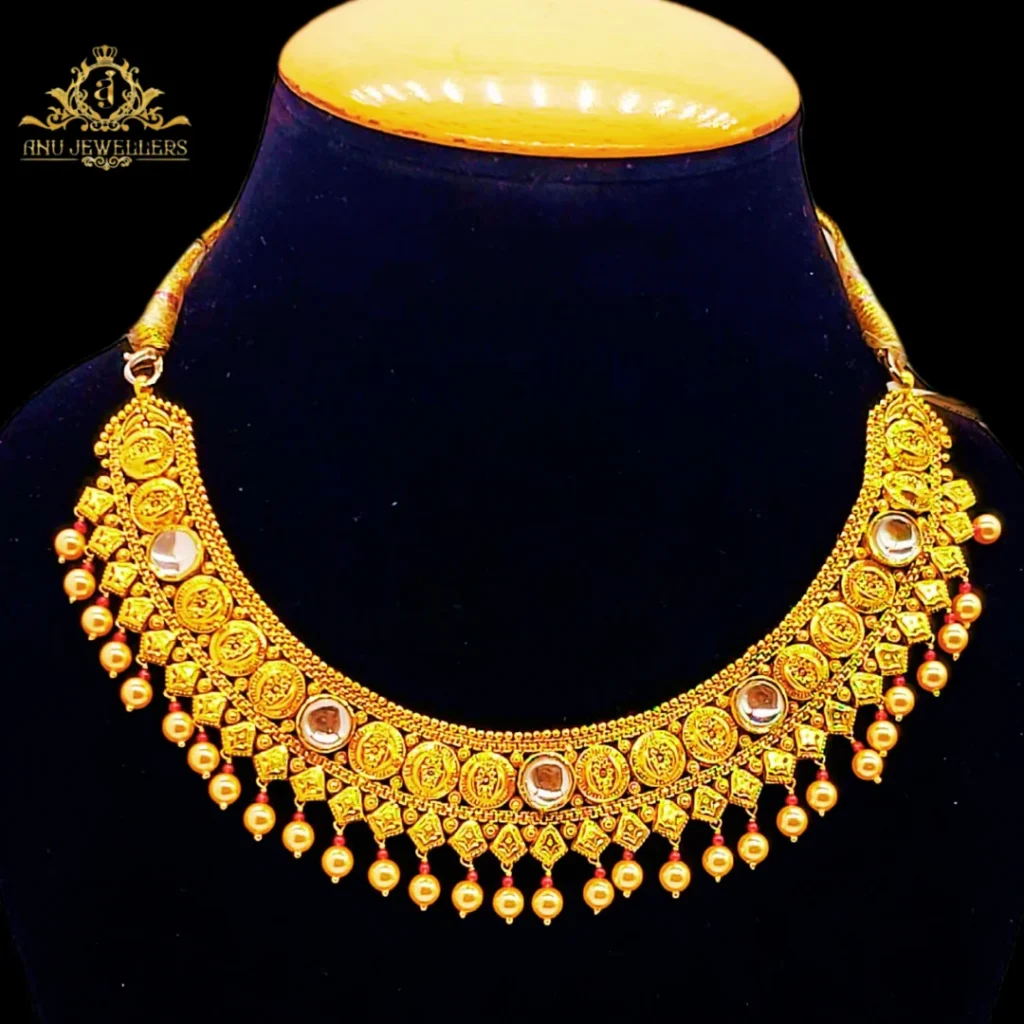
For example, South Asian jewellery often includes intricate patterns, symbolic motifs, and unique craftsmanship techniques.
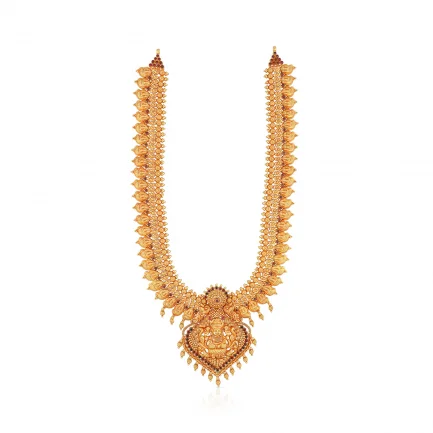
Traditional bridal necklaces such as the Rani Haar are widely used in South Asian wedding jewellery and remain one of the most iconic bridal necklace styles.
Stores experienced in cultural jewellery can guide buyers in selecting pieces that reflect traditional customs and ceremonies.
Choosing a Trusted Jewellery Store in Melbourne
Selecting the right jewellery store is just as important as choosing the jewellery itself.
A trusted jeweller should offer:
• Transparent pricing
• Certified gold purity
• Skilled craftsmanship
• Knowledge of cultural jewellery traditions
Buyers searching for gold jewellery in Melbourne should look for stores that prioritize authenticity, quality, and customer trust.
Anu Jewellers is located in Craigieburn Melbourne, making it easily accessible for customers from Roxburgh Park, Epping, Mickleham, and surrounding suburbs.
At Anu Jewellers, we believe jewellery should reflect both tradition and craftsmanship. Our collections celebrate cultural heritage while offering designs that suit modern lifestyles.
Common Mistakes People Make When Buying Gold Jewellery
Many buyers make avoidable mistakes when purchasing jewellery.
Common mistakes include:
• Not checking gold purity
• Ignoring certification details
• Overlooking making charges
• Buying from stores without transparent pricing
Avoiding these mistakes ensures that buyers invest in jewellery that offers both quality and long-term value.
Conclusion
Gold jewellery represents more than luxury or fashion. It reflects cultural traditions, emotional memories, and lasting value.
By asking the right questions before purchasing jewellery, buyers can ensure they choose authentic, high-quality pieces. Understanding gold purity, certification, craftsmanship, and pricing transparency helps customers make confident decisions.
Whether purchasing jewellery for a wedding, celebration, or investment, choosing a trusted jeweller is essential.If you are searching for high-quality gold jewellery in Melbourne, visit Anu Jewellers to explore beautifully crafted designs that combine traditional craftsmanship with modern elegance.