Written by Anu Jewellers Team
Reviewed by Anu & Henry, Anu Jewellers
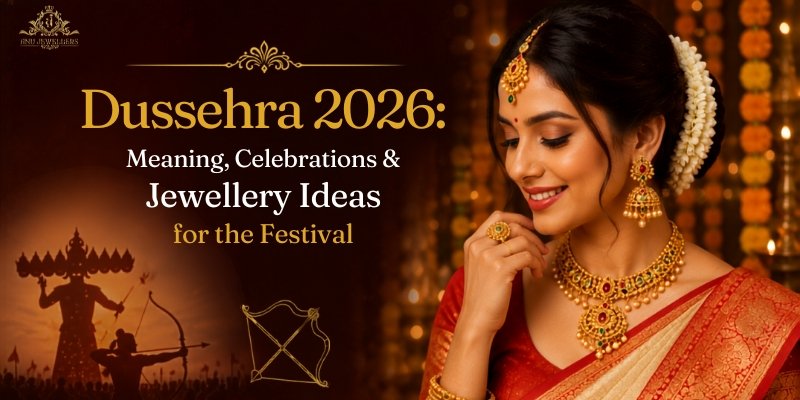
Dussehra 2026 marks Vijayadashami, a festival associated with the victory of good over evil. In Australia, celebrations may include puja, family gatherings, traditional clothing, cultural events and festive jewellery, with local observance dates anDussehra 2026d timings confirmed through your temple or family tradition.
Dussehra brings together devotion, family, culture and celebration. For Indian and South Asian families living in Melbourne, it can also be a chance to keep familiar traditions alive while adapting celebrations to Australian schedules.
The festival is known by different names and celebrated in different ways across India and the wider South Asian community. In some traditions, the focus is Lord Rama’s victory over Ravana; in others, Vijayadashami concludes Durga Puja and celebrates Goddess Durga’s victory over Mahishasura.
Jewellery naturally becomes part of the occasion. Gold bangles, necklaces, earrings, pendants and traditional pieces can complete festive outfits, while a carefully chosen piece can also become a meaningful Dussehra gift.
Table of Contents
- What Is Dussehra and Why Is It Celebrated?
- When Is Dussehra 2026 in Australia and Melbourne?
- How Is Dussehra Celebrated by Indian Families?
- What Are the Best Dussehra Jewellery Ideas for Women?
- What Jewellery Can Men Wear for Dussehra?
- How Should You Match Jewellery With a Dussehra Outfit?
- Is Buying Gold on Dussehra Auspicious?
- What Jewellery Makes a Good Dussehra Gift?
- How Can Melbourne Families Celebrate Dussehra?
- How Do You Choose Jewellery That Can Be Worn Beyond Dussehra?
- Frequently Asked Questions
What Is Dussehra and Why Is It Celebrated?
Dussehra is a major Hindu festival associated with the victory of good over evil. It is also called Vijayadashami or Dasara in different regions, and its stories, rituals and celebrations vary across India and South Asian communities.
The Australian Government Department of Home Affairs describes Vijay Dashami or Dussehra as marking the triumph of good over evil and notes that it concludes Navaratri, which extends over several days.
According to Maharashtra Tourism, Dussehra is an important festival in Maharashtra and is associated with Lord Rama’s victory over Ravana. The department also highlights the festival’s connection with truth, justice, unity and local traditions.
The Story of Lord Rama and Ravana
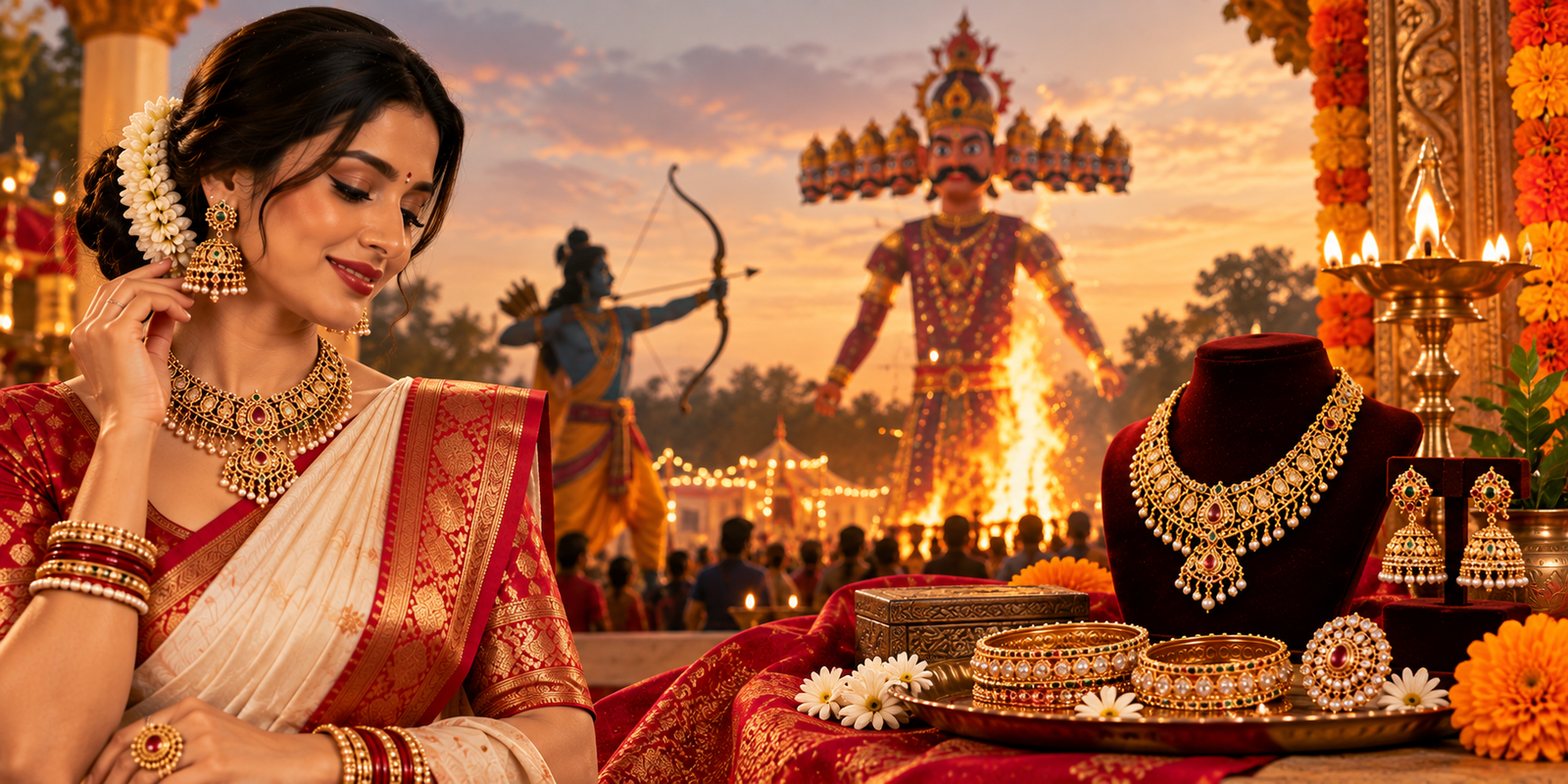
The most widely recognised Dussehra story comes from the Ramayana. Lord Rama’s victory over Ravana is remembered as the triumph of righteousness over wrongdoing.
This story is represented through Ramlila performances and, in many communities, Ravan Dahan the symbolic burning of Ravana’s effigy.
The symbolism goes beyond the spectacle. Families often use the occasion to reflect on values such as courage, truth, responsibility and the importance of choosing what is right.
Vijayadashami and Goddess Durga
Dussehra does not have one identical story across every region.
In Bengal and communities following Durga Puja traditions, Vijayadashami marks the conclusion of the Durga Puja celebrations and is associated with Goddess Durga’s victory over Mahishasura.
The Government of India’s Incredible India tourism portal highlights both major traditions: Lord Rama’s victory over Ravana and the celebration of Goddess Durga’s victory in Bengal.
This regional diversity is important for Australian families. Two households may celebrate Dussehra differently while both are observing the same broader festival of victory and renewal.
Why Dussehra Still Matters in Australia
Living in Australia does not mean leaving cultural traditions behind. Melbourne’s Indian and South Asian communities continue to observe major festivals through temples, community groups, family gatherings and private celebrations.
For children growing up in Australia, Dussehra can also provide an opportunity to learn the stories, languages, foods, clothing and family traditions connected with the festival.
Jewellery can become part of that experience. A traditional gold bangle inherited from a parent or grandparent may carry a family story that goes far beyond its material value.
When is Dussehra 2026 in Australia and Melbourne?
Dussehra 2026 has a calendar-date difference worth noting for Australian readers: the Australian Government cultural calendar lists Vijay Dashami on 20 October, while Melbourne-specific Panchang calculations show Vijayadashami on 21 October 2026, so families should follow their local temple or traditional calendar.
The Australian Government’s 2026 cultural and religious calendar lists 20 October 2026 as Vijay Dashami/Dussehra.
However, a Melbourne-specific Hindu Panchang calculation places Vijayadashami on Wednesday, 21 October 2026, with the Dashami tithi beginning on 20 October and ending on 21 October. The same calculation gives a Melbourne Vijay Muhurat of approximately 3:18 pm to 4:11 pm local time.
That difference is not something families should resolve by choosing whichever date appears first in a generic online calendar. Hindu festival observance can depend on local sunrise, tithi and the tradition followed by a particular temple or family.
Which Date Should Melbourne Families Follow?
- Check your family Panchang: use the calendar traditionally followed by your household because regional calculations and customs can differ.
- Ask your temple or priest: confirm the locally observed Vijayadashami date and puja timing if you are attending a community ceremony.
- Plan around the local celebration: community events, school schedules and workplace commitments may influence when your family gathers.
- Confirm the puja muhurat separately: do not assume an India-based timing applies unchanged to Melbourne.
This is particularly important for families planning a home puja, Shami Puja, Ayudha Puja or other time-specific observance.
How Is Dussehra Celebrated by Indian Families?
Dussehra celebrations vary by region and family tradition but commonly involve prayers, cultural performances, family gatherings, traditional clothing, festive meals and symbolic observances connected with victory over evil and the conclusion of Navaratri.
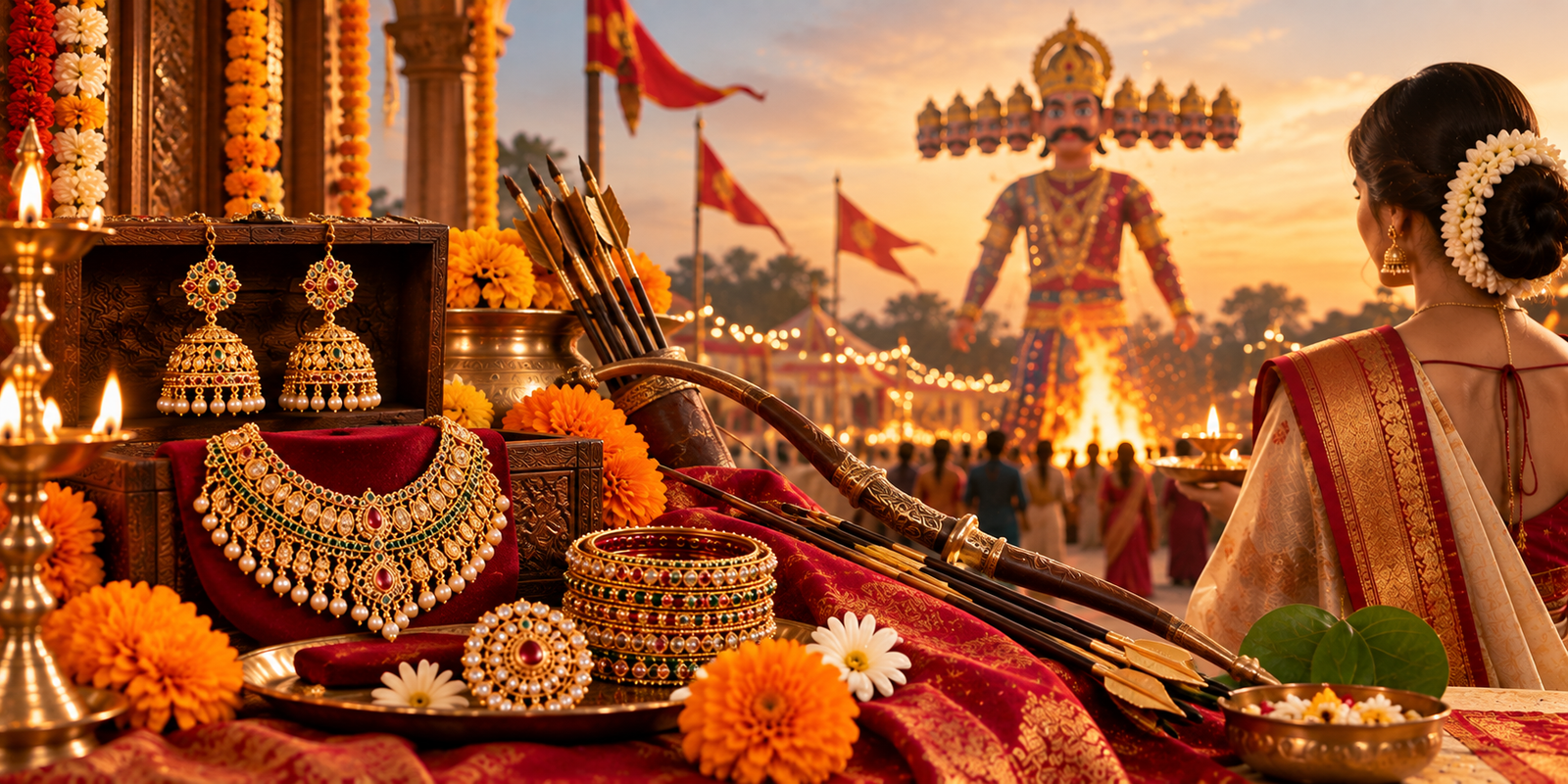
Ravan Dahan and Ramlila
In many North Indian traditions, Ramlila performances dramatise episodes from the Ramayana before the symbolic burning of Ravana’s effigy.
The Incredible India guide identifies Ravan Dahan as one of the most recognisable Dussehra traditions, with large public celebrations in parts of India.
Melbourne families may not have access to the enormous public spectacles seen in India, but smaller community gatherings can recreate the social side of the festival through storytelling, performances and family activities.
Durga Puja and Vijaya Dashami
For Bengali families and communities following Durga Puja traditions, Vijayadashami carries a different emphasis.
The day marks the conclusion of Durga Puja and is associated with the immersion of Goddess Durga’s idol. Family visits, cultural programmes, traditional clothing and community gatherings can become important parts of the celebration.
Shami and Apta Traditions
In Maharashtra, Dussehra has a distinctive connection with the Shami or Apta tree. Maharashtra Tourism describes the regional tradition and its relationship with nature and local customs.
Families who follow this tradition may exchange Apta leaves symbolically as “gold” or observe other regional practices.
The important point is to recognise that there is no single checklist for celebrating Dussehra. Your family’s regional and religious tradition should guide the rituals.
Traditional Clothing
Festive clothing naturally changes the jewellery decision.
Women may choose:
- sarees;
- lehengas;
- salwar suits;
- Anarkalis;
- silk outfits;
- traditional regional dress.
Men may choose:
- kurta-pyjamas;
- sherwanis;
- kurtas with waistcoats;
- traditional dhotis;
- smart-casual Indian clothing.
The jewellery should complete the outfit rather than compete with it.
What Are the Best Dussehra Jewellery Ideas for Women?
The best Dussehra jewellery ideas for women depend on the outfit and celebration style. Gold earrings, bangles, pendants, necklaces and statement pieces can all work, but one focal piece usually creates a cleaner festive look than wearing every statement item together.
Gold Bangles
Gold bangles are a natural choice for traditional festive dressing. A pair of slim bangles can add movement to a saree or salwar suit, while a wider statement bangle can become the main wrist detail.
For Dussehra, choose bangles based on how the rest of the outfit is decorated.
A heavily embroidered saree may work better with a simpler gold bangle. A plain silk saree can support more detailed wrist jewellery.
For families looking for traditional and contemporary pieces, explore Anu Jewellers’ gold jewellery Melbourne collection.
Jhumka Earrings
Jhumkas work particularly well with Indian festive clothing because their shape creates movement around the face.
Choose smaller jhumkas for an outfit with a detailed neckline or heavy necklace. Larger earrings can become the hero piece when the necklace is minimal or omitted.
Chandbali-Inspired Earrings
Chandbali-style earrings provide a broader silhouette around the face and can work beautifully with sarees, Anarkalis and lehengas.
Their larger shape means you do not necessarily need a heavy necklace as well.
Gold Necklace
A gold necklace can provide the strongest traditional effect when the neckline allows it.
Consider:
- short necklaces with high necklines;
- longer chains with simpler blouses;
- traditional motifs with silk sarees;
- pendant necklaces for understated styling;
- layered pieces for a more elaborate family celebration.
Pendant
A pendant is one of the easiest choices for a more contemporary Dussehra look.
It works particularly well when the wearer wants to acknowledge the festival without wearing a full traditional jewellery set.
A meaningful pendant can also be worn after the festival, making it a practical purchase rather than a single-use accessory.
Diamond Jewellery
Dussehra does not require gold jewellery. Diamond earrings, pendants, bracelets and rings can work beautifully with contemporary festive clothing.
The key is proportion. If the outfit already contains metallic embroidery, sequins or heavy embellishment, a refined diamond piece can create contrast without making the look overly busy.
A Simple Three-Level Styling Formula
| Outfit | Jewellery Approach | Example |
| Heavily embroidered saree or lehenga | One hero piece | Statement earrings + minimal bangle |
| Traditional silk saree | Coordinated classic pieces | Gold necklace + earrings + slim bangles |
| Simple kurta or Anarkali | Add visual interest | Pendant + earrings + bracelet |
| Contemporary festive outfit | Minimal and refined | Diamond studs + delicate chain |
| Family celebration | Traditional but practical | Gold bangles + earrings |
| Formal Dussehra event | Statement-led | Choker or necklace + matching earrings |
The safest approach is to choose one focal area neck, ears, wrists or hands and let the rest of the jewellery support it.
What Jewellery Can Men Wear for Dussehra?
Men can incorporate gold jewellery into Dussehra dressing through chains, kadas, rings and subtle pendants. The best choice depends on the outfit and personal style, with traditional pieces working particularly well for kurtas, sherwanis and family celebrations.
Gold Chain
A gold chain can work with a plain kurta, shirt or traditional outfit.
For everyday styling, a moderate-width chain is easier to wear beyond the festival. A heavier traditional chain can create a stronger ceremonial appearance.
Kada
A gold kada can provide a clear traditional element without requiring several pieces of jewellery.
A simple kada works with a minimalist outfit, while an engraved or detailed design can become the central accessory for a wedding or major cultural celebration.
Gold Ring
A gold ring is another understated way to include festive jewellery.
Men who do not normally wear jewellery may find a plain or lightly textured ring easier to integrate into their wardrobe than a large statement piece.
Pendant
A religious, cultural or symbolic pendant can carry personal meaning. However, religious symbols should be chosen according to the wearer’s own beliefs and family tradition rather than simply as a fashion accessory.
Coordinate Without Matching Exactly
Couples do not need identical jewellery.
A woman may wear a gold necklace and bangles while her partner wears a gold chain or kada. Matching the gold tone creates visual coordination without making the outfits look overly planned.
How Should You Match Jewellery With a Dussehra Outfit?
Match Dussehra jewellery to the outfit’s neckline, embroidery, colour, fabric and visual weight. Use one focal jewellery piece, then keep supporting pieces simpler. This prevents heavy traditional clothing and jewellery from competing for attention.
With a Silk Saree
Silk sarees can support classic gold jewellery particularly well.
Consider:
- jhumkas;
- traditional gold necklaces;
- bangles;
- temple-inspired motifs;
- statement earrings.
If the saree has a strong border and zari work, avoid automatically adding a large necklace, heavy earrings and multiple bangles.
With a Lehenga
A lehenga often provides more room for statement jewellery.
A choker can work with a lower neckline. Longer necklaces can complement simpler blouse designs.
If the lehenga is heavily embellished, choose one hero necklace or earrings and allow the clothing to remain visible.
With a Salwar Suit or Anarkali
A pendant, medium-length necklace or statement earrings can work well.
The neckline should determine the necklace shape. A high neckline may need earrings instead of a heavy necklace, while an open neckline can support a pendant.
With a Kurta or Sherwani
Men can choose a chain, pendant, kada or ring depending on the formality of the outfit.
A simple kurta may support a stronger chain. An embroidered sherwani may need only one or two refined pieces.
Use Contrast Instead of Perfect Matching
Your jewellery does not need to be exactly the same colour as the clothing.
Gold works naturally with many festive colours, including:
- red;
- maroon;
- green;
- mustard;
- royal blue;
- cream;
- ivory;
- pink;
- orange.
The goal is visual balance, not exact colour matching.
Is Buying Gold on Dussehra Auspicious?
Gold buying is considered auspicious by many Hindu families on Vijayadashami, but it is a cultural and religious tradition rather than a requirement. If buying jewellery for Dussehra, compare purity, weight, workmanship and design instead of treating the festival date alone as a reason to purchase.
Some traditions consider Vijayadashami an auspicious time for beginning new ventures, purchasing items or acquiring gold.
The important distinction is between cultural belief and financial advice. Buying jewellery should still fit your budget and genuine needs.
What Should You Check Before Buying Gold?
- Confirm the purity: check whether the piece is 22K, 18K or another stated purity and understand what the marking means.
- Check the weight: compare the gold weight rather than judging value by appearance alone.
- Inspect the workmanship: examine joins, clasps, settings, engraving and finishing.
- Ask about making charges: understand how the final price is calculated before comparing pieces.
- Review the invoice: make sure important product details are documented clearly.
- Ask about aftercare: confirm cleaning, repairs, resizing and maintenance options if relevant.
A festive purchase does not have to be extravagant. A small pair of gold earrings, a pendant or a lightweight bangle can become a meaningful annual addition to a jewellery collection.
Why Gold Can Work Beyond Dussehra
The strongest festive jewellery purchase is often one that can be worn again.
A plain gold chain can work with a kurta on Dussehra, a shirt at work and traditional clothing during Diwali.
Similarly, gold earrings can move from a festive saree to an anniversary dinner or family celebration.
That flexibility makes the purchase easier to justify than a design that only works for one outfit.
What Jewellery Makes a Good Dussehra Gift?
A good Dussehra jewellery gift should reflect the recipient’s style, cultural connection and everyday habits. Gold earrings, bangles, pendants, rings and chains are versatile options, while personalised or traditional pieces can add meaning when the recipient’s preferences are known.
For a Wife
Consider:
- gold bangles;
- earrings;
- pendant necklaces;
- diamond earrings;
- traditional gold necklaces;
- a custom piece connected to family heritage.
If she wears jewellery every day, choose something that fits her existing collection rather than a dramatic piece she may only wear once.
For a Mother
Traditional gold jewellery can carry particular emotional value when it connects with family celebrations.
A bangle, pendant or pair of earrings can be chosen to complement jewellery she already owns.
For a mother who prefers understated pieces, a lightweight design may be more meaningful than a large statement item.
For a Daughter
A Dussehra gift can also mark a family milestone.
Choose something appropriate to her age and lifestyle, such as:
- small gold earrings;
- a delicate pendant;
- a simple bracelet;
- a lightweight bangle.
The piece can become something she keeps and eventually associates with family Dussehra celebrations.
For a Husband or Father
Consider:
- gold chain;
- kada;
- gold ring;
- pendant;
- understated bracelet.
The most important consideration is whether he actually wears jewellery. A practical design is more likely to become part of his wardrobe.
For Couples
Couples can choose complementary pieces rather than identical jewellery.
For example:
| Partner One | Partner Two |
| Gold pendant | Gold chain |
| Gold bangles | Gold kada |
| Diamond earrings | Gold ring |
| Traditional necklace | Traditional chain |
| Engraved pendant | Engraved bracelet |
A shared date, motif or engraving can connect the pieces while allowing each person to retain an individual style.
How Can Melbourne Families Celebrate Dussehra?
Melbourne families can celebrate Dussehra through home puja, temple visits, community events, traditional food, family gatherings and cultural activities. The most appropriate celebration depends on regional tradition, religious practice, community availability and the schedule of family members.
Create a Home Celebration
A simple home celebration can include:
- cleaning and preparing the puja area;
- traditional clothing;
- prayers;
- festive food;
- family storytelling;
- exchanging greetings;
- wearing meaningful jewellery;
- calling relatives in India or overseas.
For children, explain the story behind Dussehra rather than making the celebration only about clothing and food.
Attend a Community Celebration
Melbourne’s Indian and South Asian communities provide opportunities for cultural participation throughout the festive season.
Depending on the community and year, celebrations may include:
- Ramlila;
- cultural performances;
- Durga Puja events;
- family gatherings;
- traditional music;
- food stalls;
- children’s activities.
Check event details close to the festival because venue, date and programme information can change.
Combine Tradition With Australian Life
A weekday festival can be difficult for families managing school and work.
There is nothing inherently wrong with adapting the social celebration to the nearest practical evening or weekend while following the appropriate religious observance separately according to family or temple guidance.
For Melbourne families, this can make cultural traditions easier to maintain year after year.
How Do You Choose Jewellery That Can Be Worn Beyond Dussehra?
Choose festive jewellery with at least two future occasions in mind. A gold bangle should work with more than one traditional outfit, while earrings, chains and pendants should transition into weddings, anniversaries, Diwali, family celebrations or everyday wear.
Before buying, ask:
- Would I wear this with a different saree?
- Could this work with Western clothing?
- Is the weight comfortable?
- Does the design suit my existing jewellery?
- Can it be worn outside the festive season?
- Will it remain relevant if my style changes?
Choose Classic Shapes for Long-Term Wear
Classic forms tend to remain easier to style.
Examples include:
- plain gold bangles;
- simple hoops;
- traditional jhumkas;
- fine chains;
- classic pendants;
- understated diamond studs;
- simple gold rings.
A highly trend-driven design can still be a good choice, but it should be purchased because the wearer genuinely likes it rather than because it is currently popular.
Consider Jewellery as a Family Heirloom
Dussehra can be an especially meaningful time to begin or continue a family jewellery tradition.
A parent may give a child a gold pendant. A husband may gift his wife a bangle. A family may restore an older gold piece and bring it back into regular use.
The monetary value is only one part of the story.
A piece worn every Dussehra for ten years can become a stronger family memory than a much more expensive item kept in a box.
Care for Festive Jewellery After the Celebration
After Dussehra, store jewellery separately to reduce scratching and tangling.
For valuable pieces:
- keep them in a suitable jewellery box or pouch;
- avoid storing multiple pieces loose together;
- check clasps and settings periodically;
- remove jewellery before activities likely to cause impact;
- arrange professional inspection when a stone, clasp or setting appears damaged.
For a sentimental or valuable piece that needs repair, resizing or restoration, professional assessment is preferable to attempting home repairs.
Which Jewellery Should You Choose for Dussehra 2026?
Dussehra 2026 is an opportunity to celebrate faith, family and cultural identity while choosing jewellery that remains useful beyond the festival. Start with your regional tradition and outfit, then select one meaningful jewellery piece that suits your lifestyle, budget and personal style.
For women, that might be gold bangles, jhumkas, a pendant or a statement necklace. For men, it could be a gold chain, kada or ring. For couples, complementary pieces can create a shared festive connection without requiring identical designs.
If you are looking for traditional or contemporary jewellery in Melbourne, Anu Jewellers in Craigieburn can help you compare gold jewellery, diamond pieces and culturally inspired designs for Dussehra and other family celebrations.